歌曲《盗墓笔记·瓶邪·长生客》深度解读:张起灵的孤独与坚守
一、歌曲背景与主题
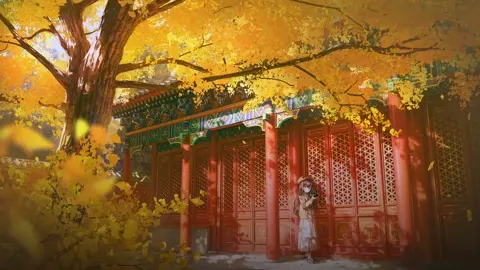
《盗墓笔记·瓶邪·长生客》是为张起灵量身打造的歌曲,以他为中心展开,讲述了张起灵作为“长生客” isolating himself from the world and his inner struggles and emotions. The song highlights his journey, his experiences, and his philosophical reflections on life and death.
二、歌词分析
1. opening lines:
“他是一张雪作的纸,世人来来去去,无论墨迹几多,终将大雪覆盖。”
- This line sets the tone of the song, suggesting that Zhang Qiling is like a piece of paper covered in snow, which will eventually be covered by more snow. It implies his life is ephemeral and easily overlooked by the world.
2. Verse 1:
- “孤山路陌 途径他乡山河”:
- Zhang Qiling travels through desolate paths and foreign lands, indicating his isolating lifestyle and his journey through life.
- “寸寸灯火 身后也曾有过”:
- The flickering lights behind him suggest that he has experienced moments of warmth and connection, but they are now behind him.
- “铜门落锁 十年青锈斑驳”:
- The rusted, locked copper door symbolizes his past, which is now sealed and fading away.
- “缄口不说 旧约无人可托”:
- Zhang Qiling keeps his past and his promises to himself, as no one else can understand or keep them.
- “天命淡漠 谁解故人执着”:
- The indifferent fate and the understanding of his determination by no one else suggest his inner conflict and the burden he carries.
- “千面几多 千面是我非我”:
- Zhang Qiling has many faces, but he is not sure who he really is, indicating his identity crisis and inner complexity.
- “骤雨滂沱 万山顷刻淹没”:
- The sudden downpour and the quick flooding of the mountains represent the unexpected changes and challenges in his life.
- “死生契阔 永别如何看破”:
- The concept of life and death and the pain of saying goodbye suggest his philosophical reflections and his acceptance of mortality.
3. Chorus:
- “无喜无悲入世者”:
- Zhang Qiling is a person who does not experience joy or pain, indicating his emotional detachment from the world.
- “流徙无端长生客”:
- He is a wanderer without a purpose, a long-term guest in the world, suggesting his aimless existence.
- “阖眼往事残破 经轮十转 不拜神佛”:
- When he closes his eyes, his past is broken and he does not believe in the cycle of rebirth or in gods, indicating his existentialist view of life.
- “寻常事 悲欢离合”:
- The usual events of life, including joy, pain, and separation, are part of his experience.
- “天地末 天地萧索”:
- The end of the world is desolate, suggesting his pessimistic view of the future.
- “世人匆匆四座 半盏魂魄 沉默”:
- The world is full of people who are in a hurry, and he is half of their soul, indicating his influence on others.
- “皆沉默 只身负因果”:
- Everyone is silent