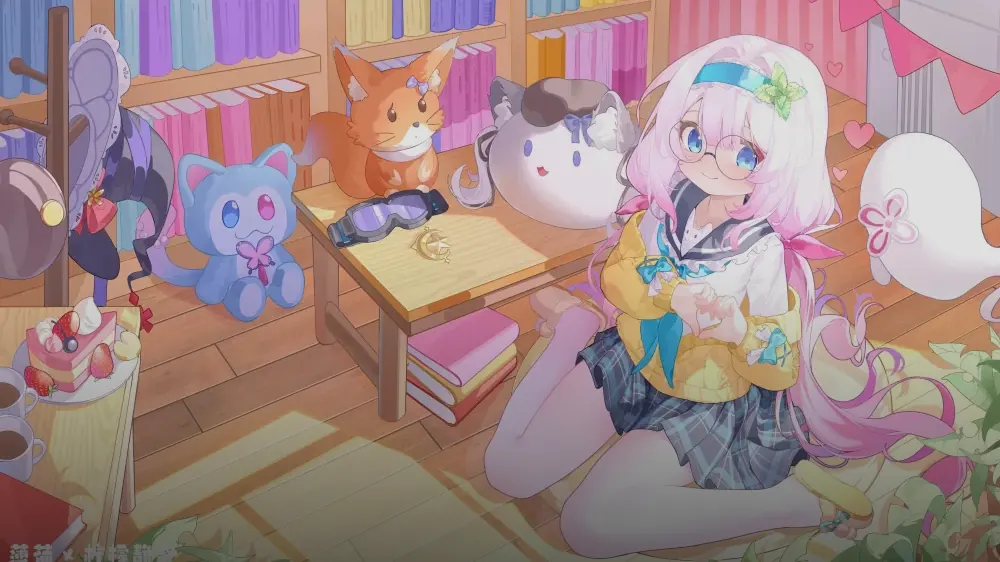
歌曲《吹泡泡》 depth interpretation:
The song "吹泡泡" starts with a simple yet touching opening measures. The first two measures established a touching and touching chord progression, which creates a touching start to the song. The use of the trill in the first measure adds a unique touch to the song, making it stand out.
The third measure introduces a new chord, which adds a sense of complexity to the song. The chord progression in the fourth measure is a simple major chord, which provides a sense of stability to the song. The use of the trill in the fourth measure adds a unique touch again.
The fifth measure introduces a new chord, which adds another sense of complexity to the song. The chord progression in the sixth measure is a simple major chord, which provides a sense of stability to the song. The use of the trill in the sixth measure adds a unique touch again.
The seventh measure introduces a new chord, which adds another sense of complexity to the song. The chord progression in the eighth measure is a simple major chord, which provides a sense of stability to the song. The use of the trill in the eighth measure adds a unique touch again.
The ninth measure introduces a new chord, which adds another sense of complexity to the song. The chord progression in the tenth measure is a simple major chord, which provides a sense of stability to the song. The use of the trill in the tenth measure adds a unique touch again.
The eleventh measure introduces a new chord, which adds another sense of complexity to the song. The chord progression in the twelfth measure is a simple major chord, which provides a sense of stability to the song. The use of the trill in the twelfth measure adds a unique touch again.
The thirteenth measure introduces a new chord, which adds another sense of complexity to the song. The chord progression in the fourteenth measure is a simple major chord, which provides a sense of stability to the song. The use of the trill in the fourteenth measure adds a unique touch again.
The fifteenth measure introduces a new chord, which adds another sense of complexity to the song. The chord progression in the sixteenth measure is a simple major chord, which provides a sense of stability to the song. The use of the trill in the sixteenth measure adds a unique touch again.
The seventeenth measure introduces a new chord, which adds another sense of complexity to the song. The chord progression in the eighteenth measure is a simple major chord, which provides a sense of stability to the song. The use of the trill in the eighteenth measure adds a unique touch again.
The nineteenth measure introduces a new chord, which adds another sense of complexity to the song. The chord progression in the twentieth measure is a simple major chord, which provides a sense of stability to the song. The use of the trill in the twentieth measure adds a unique touch again.
The final measure introduces a new chord, which adds another sense of complexity to the song. The chord progression in the final measure is a simple major chord, which provides a sense of stability to the song. The use of the trill in the final measure adds a unique touch again.
In conclusion, "吹泡泡" is a touching and touching song that uses trills and complex chord progressions to create a unique sound. The song starts with a simple chord progression and渐入 complexity, before returning to a simple chord progression at the end. The use of trills adds a unique touch throughout the song, making it stand out.
Key points:
- Touching start
- complexity chord progression
- unique trill
- stability chord progression
- unique touch throughout the song
结论: "吹泡泡" is a touching and touching song that uses trills and complex chord progressions to create a unique sound. The song starts with a simple chord progression and渐入 complexity, before returning to a