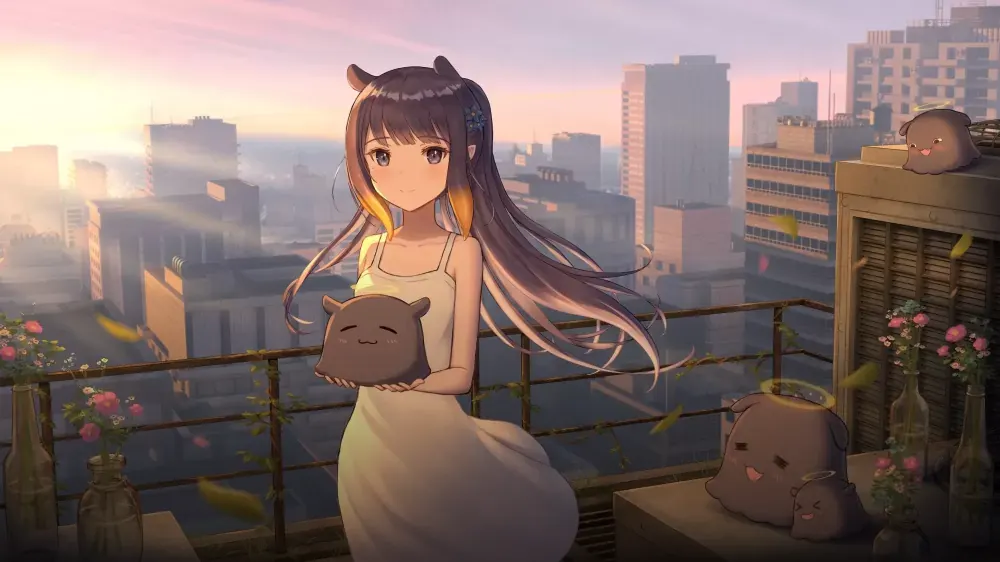
歌曲《戏楼》深度解读:若紫鸢的内心世界
一、儿时戏 犹梦影 只见彩绣鲜衣
- 儿时戏:若紫鸢的童年时期,她接触了戏曲,对戏曲产生了浓厚的兴趣。
- 犹梦影:她将戏曲中的场景和角色视为梦境一般,着迷于其中。
- 只见彩绣鲜衣:她看到戏曲中演员的 colorful and elaborate costumes,被它们吸引。
二、那故事不解却熟记
- 那故事:指戏曲中的故事情节。
- 不解:若紫鸢虽然着迷于戏曲,但对其中的故事情节并不完全理解。
- 熟记:尽管不理解,她仍然记住了这些故事。
三、方寸朱红丝帕 学台上相许
- 方寸朱红丝帕:指戏曲中 characters 交换的信物, symbolizing their relationship.
- 学台上相许:指戏曲中 characters 在 stage 上表达 their love or commitment to each other.
四、何时竟成了唏嘘
- 何时:指 later in life.
- 成了唏嘘:指若紫鸢对戏曲的热爱和对其中 characters 的情感最终变成了 sighs and reflections.
五、少年戏 傍春溪 谱来杨柳依依
- 少年戏:若紫鸢的青少年时期,她继续接触戏曲。
- 傍春溪:她常在 spring streamside, a peaceful and romantic setting.
- 谱来杨柳依依:她用戏曲来表达 her emotions, which are like the tender and依依杨柳.
六、又暗在往来弦上叙
- 又暗:指 her emotions are expressed in a subtle and indirect way.
- 往来弦上叙:指 through the music and sound of the strings.
七、总盼座中之人 识得其中意
- 座中之人:指 the audience or the people around her.
- 识得其中意:指 she hopes that others can understand her emotions and intentions.
八、眉目间流转旖旎
- 眉目间:指 her expressions and mannerisms.
- 流转旖旎:指 her expressions are filled with beauty and charm.
九、休笑他 只道戏中皆虚情
- 休笑他: don't laugh at him.
- 只道戏中皆虚情: he believes that all emotions in the play are false.
十、休叹她 偏以假戏试真心
- 休叹她: don't sigh for her.
- 偏以假戏试真心: she uses the false emotions of the play to test her own true emotions.
十一、绘彩楼台 飞檐四角 锣鼓声相递
- 绘彩楼台:指 the colorful and elaborate stage.
- 飞檐四角:指 the four corners of the stage, symbolizing the different characters and perspectives.
- 锣鼓声相递:指 the sound of the drums and cymbals, symbolizing the flow and rhythm of the play.
十二、一出欢喜 一出悲戚
- 一出欢喜: one scene is happy.
- 一出悲戚: one scene is sad.
十三、开场人来 散场人去 风渐起
- 开场人来: people come to watch the play.
- 散场人去: people leave after the play ends.